Autonomous Enforcement
The Future of Parking
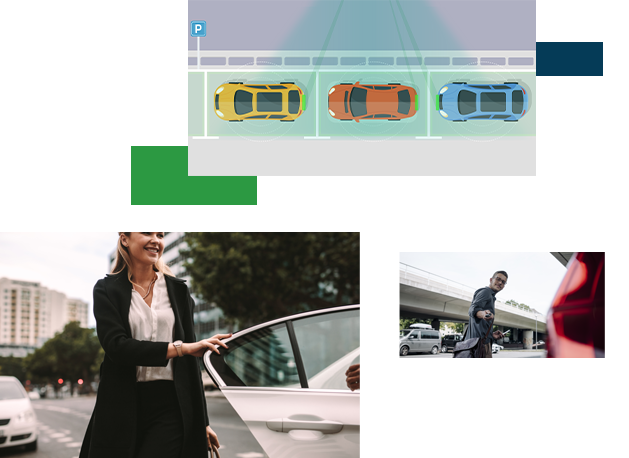
For nearly a century, the fundamentals of parking remained unchanged, relying on an array of physical tools: curbside coin meters, paper citations, and permitting that required written applications and window decals. Today, however, consumers expect more digital, touchless experiences in all that they do. Fortunately, the technology now exists for parking authorities to meet those expectations and better support motorists, staff, revenue goals, and smart city initiatives.
Through the Camera Eye – the Power of Automated, Always-On Image Capture
Camera-based enforcement technology has long been used for violation identification in the tolling, red light, and speed infraction arenas. With toll authorities transitioning from human-staffed tollbooths to gantry-mounted cameras and vehicle transponders that automate motorist invoicing, the results have been freer-flowing roads and better motorist CX.
This type of technology, however, is still relatively new in the parking management space. There are many operational use cases that can bring safer, more efficient experiences for motorists, pedestrians, staff, and businesses:
- Meter spaces
- Permit zones
- Loading zones
- Bus stops
- Bus lanes
- Bike lanes
- Safety zones (crosswalks, hydrants, turn lanes, etc.)
- Transportation network company (TNC) pickups/drop-offs
- Lots
- Ramps
Bringing these principles to parking programs, smart cameras allow for a “meter-less parking” ecosystem, enabling motorists to pay for public parking spaces through prepaid accounts. Just as motorists can use toll roads without stopping to pay tolls, drivers can park in public spaces without feeding meters or paying by phone.